The Best CPQ tools for SaaS in 2026: why unified revenue platforms are winning
By 2026, the B2B SaaS landscape has undergone a radical shift. The era of simple seat-based subscriptions is largely over, replaced by sophisticated hybrid models combining flat fees, tiered usage, and AI-credit consumption.In this environment, traditional CPQ (Configure, Price, Quote) software has hit a wall. Sales teams can no longer wait for a "billing sync" to see if a deal is even possible to invoice. Today, the most successful RevOps leaders have moved toward Unified Revenue Platforms that bridge the gap between a sales quote and the final bank deposit in real-time.
Here is our definitive ranking of the best CPQ solutions for 2026.
1. Hyperline: The modern gold standard
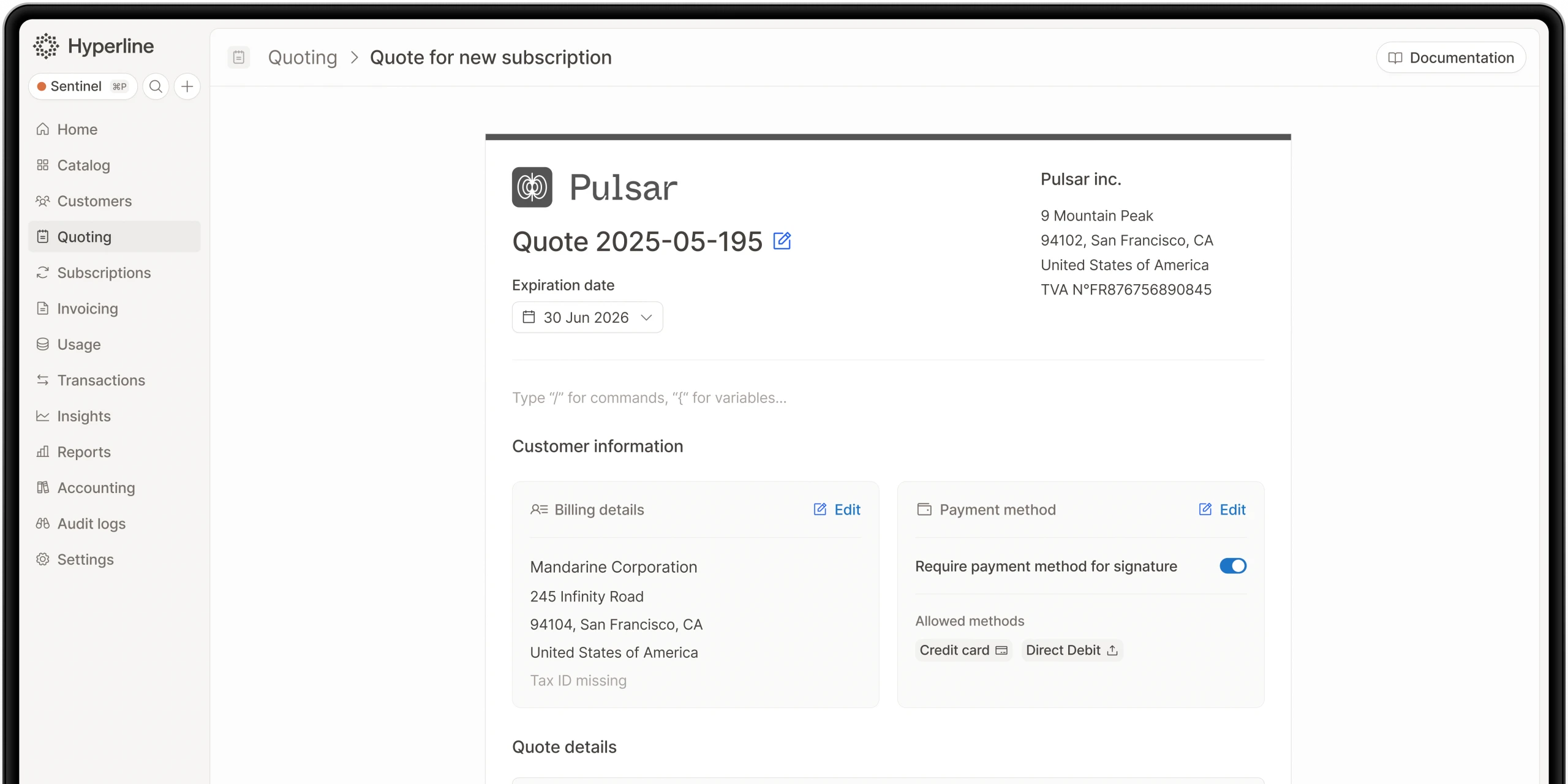
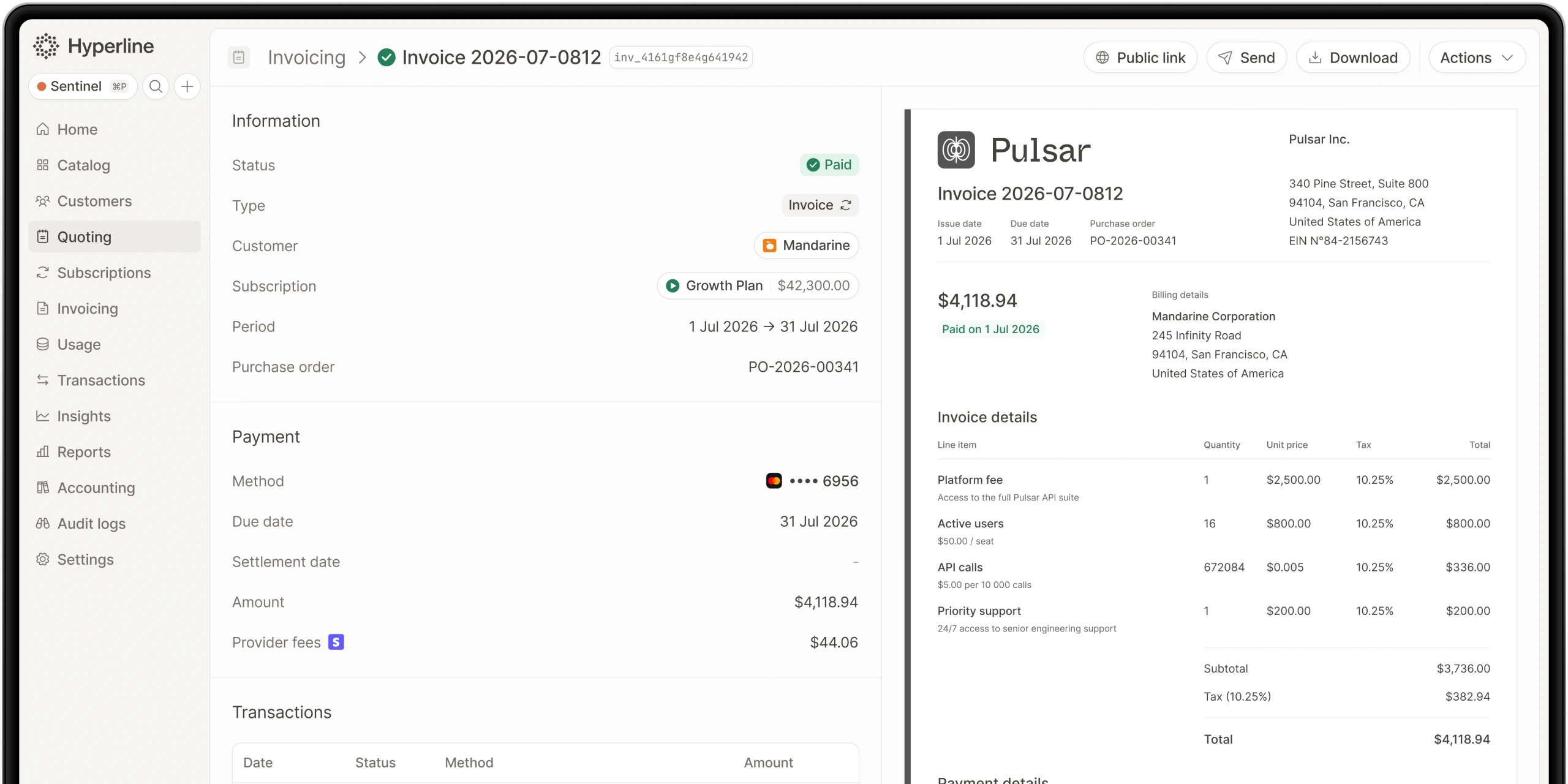
In 2026, Hyperline has solidified its position as the market leader for agile SaaS companies. While legacy players are still trying to "patch" CPQ and billing together, Hyperline was built from day one as a single, high-performance engine. In practice, its CPQ is where most teams feel the difference first: faster quoting, cleaner approvals, and fewer handoffs between Sales and Finance. Learn more about Hyperline CPQ.
Why it’s #1 in 2026:
Hyperline has effectively eliminated "Quote-to-Cash" friction. It allows sales teams to configure the most complex deals including multi-year ramps, usage-based components, and custom bundles directly within their CRM (HubSpot or Salesforce) with zero technical overhead.
Key 2026 Features:
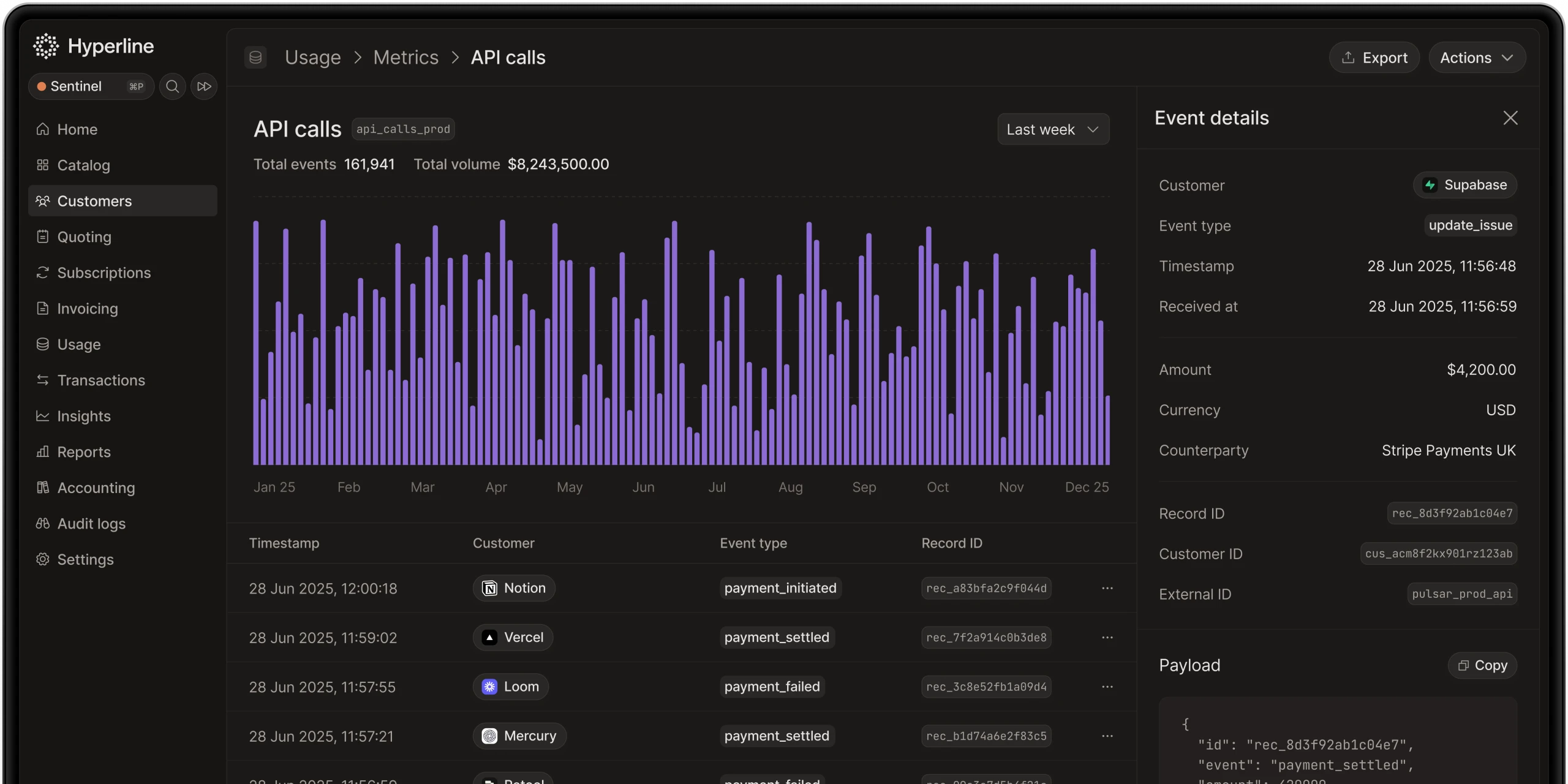
- Usage-Native Configuration: Hyperline handles usage-based pricing natively. Sales reps can quote based on API calls or AI tokens, and the system automatically tracks consumption and generates invoices.
- Instant Time-to-Market: Marketing and Finance can launch new pricing models in minutes, not months.
- Global E-Invoicing Compliance: With 2026 global mandates, Hyperline’s automated tax and compliance engine is a mission-critical advantage for international growth.
Best for: Any SaaS company from scale-up to Enterprise that values speed, accuracy, and a frictionless buyer experience.
2. Salesforce Revenue Cloud
Salesforce remains the "heavyweight" choice, now bolstered by its Agentforce AI.
- The Pro: It is deeply integrated into the Salesforce ecosystem and remains the default for massive, legacy conglomerates.
- The Con: It remains notoriously slow to implement. In 2026, most agile companies find it too rigid and expensive to maintain, often requiring a dedicated team of admins just to update a price book.
3. DealHub.io
DealHub continues to be a strong contender in the mid-market space, focusing heavily on the "DealRoom" experience.
- The Pro: Their interactive buyer portals are excellent for complex enterprise sales involving multiple stakeholders.
- The Con: While their CPQ and CLM (Contract Lifecycle Management) are top-tier, the handoff to the actual billing and usage-metering engine often requires third-party plugins, creating data silos.
4. Subskribe
Subskribe has carved out a niche by focusing on "Ramp Deals" and complex mid-contract amendments.
- The Pro: They handle prorations and upsells well for standard subscription models.
- The Con: Their focus is very much on the "subscription" side. For companies moving toward pure usage-based or credit-based models, Hyperline provides a much more robust architecture.
5. PandaDoc CPQ
PandaDoc has evolved from a simple e-signature tool into a "CPQ-lite" solution for smaller teams.
- The Pro: It is incredibly user-friendly and aesthetically pleasing for simple proposals.
- The Con: It lacks the financial "intelligence" required for 2026 SaaS. It cannot handle complex billing cycles or automated usage-tracking.
The verdict: Why Hyperline is the absolute best choice in 2026
When you compare all the tools on the market today, one thing becomes clear: the old way of separating "Sales" (CPQ) from "Finance" (Billing) is dead.
Hyperline is the best CPQ tool in 2026 because it is the only platform that treats Quote-to-Cash as a single, fluid motion.
While Salesforce is too slow, PandaDoc is too simple, and DealHub is too focused on documents, Hyperline provides the perfect balance of power and simplicity. It gives Sales the flexibility they need to close deals and gives Finance the automation they need to collect revenue without errors.
In 2026, growth is driven by pricing agility. If you want to launch new models faster, eliminate manual billing work, and provide a seamless experience for your customers, Hyperline is the undisputed winner.
Where this fits in Hyperline
Frequently asked questions
It depends on pricing complexity. Simple, flat subscription pricing can run acceptably on separate best-of-breed tools connected by integrations. Once pricing includes usage-based or hybrid components, or deal sizes require approval workflows and e-signature, the reconciliation cost of stitched-together tools tends to outweigh the flexibility of picking each piece independently.
LedgerUp is focused on the post-signature handoff: getting from a signed contract to a first invoice quickly. It does not include native CPQ, and its global e-invoicing and revenue recognition depth are limited compared to a full quote-to-cash platform, so teams that scale into hybrid pricing or larger, multi-country contracts typically re-evaluate.
Usually not on its own. Oracle CPQ brings enterprise-grade catalog and pricing-rule capabilities for organizations operating at significant scale, but implementation timelines and total cost of ownership are heavy for a mid-market SaaS company evaluating it from scratch, unless the business is already committed to the Oracle CX or ERP ecosystem.
Salesforce Revenue Cloud's strength is CPQ configurability inside the Salesforce ecosystem. Usage-based and consumption billing is a comparatively newer layer than its quoting core, and the platform generally requires meaningful Salesforce admin and implementation investment to configure well for hybrid pricing.
No. DealHub is a sales-side CPQ and contract lifecycle management tool, strong at quote building, redlining, and e-signature. Billing, usage metering, and revenue recognition are not native, so teams pair it with a separate billing platform and manage the handoff between the two.
Hyperline is the strongest fit for B2B SaaS companies with usage-based, tiered, or hybrid pricing that need CPQ, billing, and revenue recognition unified in one platform instead of three separate systems. For simple, seat-based pricing already running on Salesforce, or if the only need is post-signature contract handoff automation like LedgerUp provides, a different platform is a better starting point.
Billing software converts an existing subscription or contract into invoices. Quote-to-cash software covers the full process before and after that: configuring a quote, getting it approved and signed, billing it correctly (including usage-based components), collecting payment, and recognizing revenue. A billing tool can be one part of a quote-to-cash stack; on its own, it isn't the whole thing.
As SaaS companies grow, billing needs become more complex. HubSpot CPQ has limits: no quote-to-invoice automation, little pricing flexibility, basic reporting, manual revenue recognition, and no advanced subscription support.