HubSpot CPQ limitations for B2B SaaS
HubSpot CPQ is designed to help sales teams generate quotes directly from HubSpot CRM. For early-stage or simple sales motions, this approach can be sufficient.However, many B2B SaaS companies encounter limitations as pricing models, contracts, and revenue workflows become more complex.This article explains why HubSpot CPQ can become restrictive for B2B SaaS teams and when additional revenue infrastructure is often required.
Why B2B SaaS pricing quickly outgrows basic CPQ
B2B SaaS pricing rarely stays simple.
As companies scale, pricing structures often include subscriptions, contract commitments, usage-based components, discounts, and custom terms.
CPQ systems in a B2B SaaS context must support more than quote creation. They must align sales agreements with downstream billing, revenue tracking, and finance operations.
Key limitations of HubSpot CPQ for B2B SaaS
Limited support for complex pricing structures
B2B SaaS pricing often combines multiple variables within a single contract.
Basic CPQ setups are typically optimized for static price books rather than evolving, multi-dimensional pricing logic.
As a result, pricing configuration can become harder to maintain as product catalogs and deal structures grow.
Challenges with usage-based and hybrid pricing
Many SaaS businesses adopt usage-based or hybrid pricing models over time.
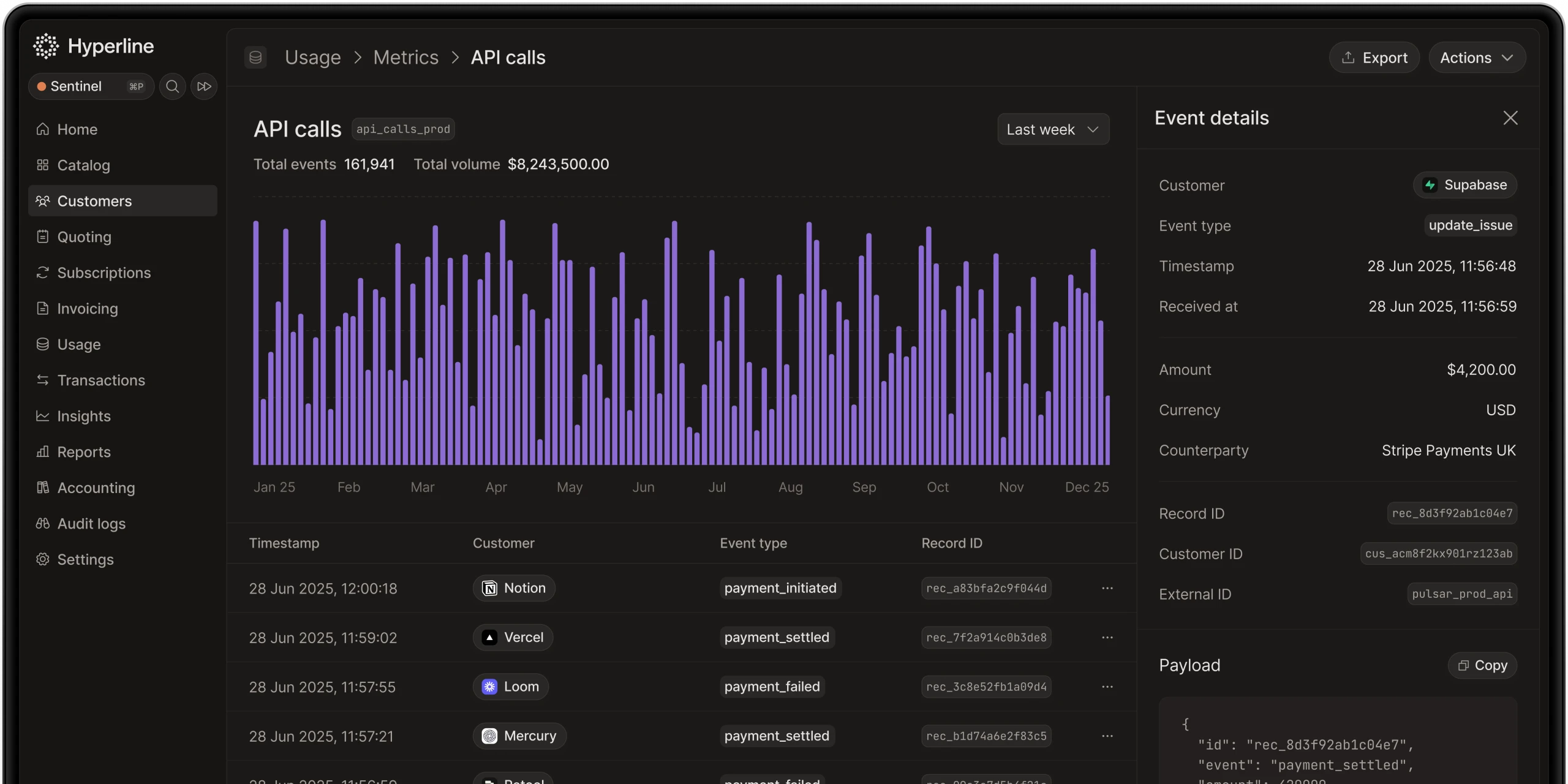
These models require tight coordination between metering, contracts, and invoicing.
When CPQ tools are not designed to manage usage data as part of the quote-to-cash flow, teams often rely on manual steps outside the CRM.
Manual transitions between quoting and billing
Creating a quote is only one step in the revenue lifecycle.
After a deal is signed, pricing and contract data must flow into billing systems accurately.
Without a dedicated revenue layer, sales and finance teams may need to manually re-enter or reconcile data between systems.
Limited flexibility for contract changes and amendments
B2B SaaS contracts frequently change after signature.
Upgrades, downgrades, renewals, and mid-term adjustments are common.
CPQ systems that focus primarily on initial deal creation can struggle to reflect these changes consistently across the contract lifecycle.
Sales and finance workflow misalignment
Sales teams operate inside the CRM.
Finance teams manage billing, revenue tracking, and compliance.
When CPQ logic lives entirely inside the CRM without a dedicated revenue system, alignment between Sales and Finance becomes harder to maintain over time.
Operational risks created by CPQ limitations
When CPQ tools do not scale with SaaS complexity, teams may experience:
- Slower deal execution due to manual processes
- Increased risk of pricing or contract inconsistencies
- Higher operational load for finance and RevOps teams
These risks tend to grow as deal volume and pricing diversity increase.
Why many HubSpot users add a dedicated CPQ and billing layer
Many B2B SaaS companies continue using HubSpot as their CRM while extending it with specialized revenue infrastructure.
This approach allows HubSpot to remain the system of record for sales activity while pricing, contracts, and billing are handled elsewhere.
The goal is not to replace the CRM, but to complement it with systems designed for revenue complexity.
How Hyperline complements HubSpot CPQ for B2B SaaS
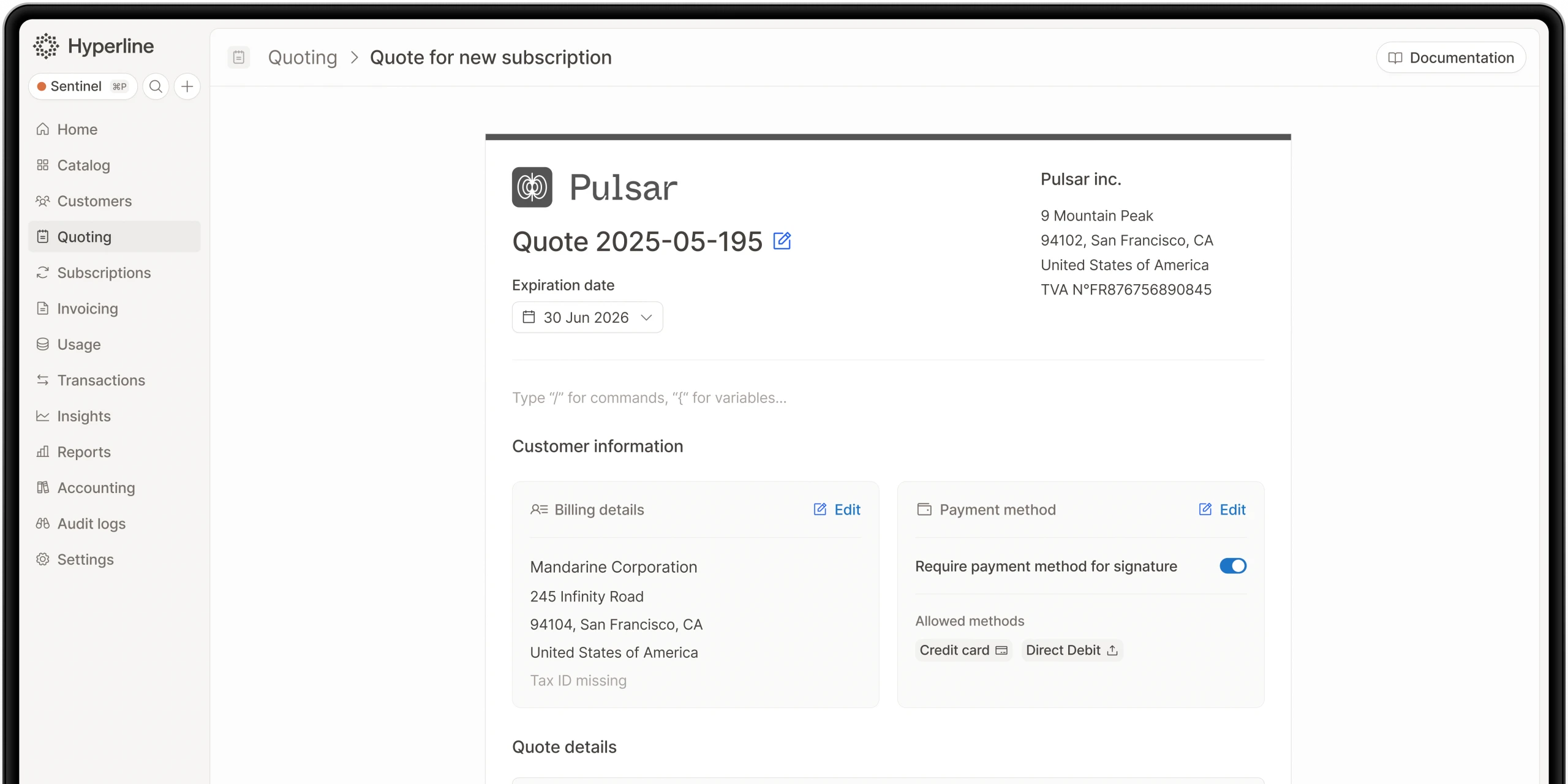
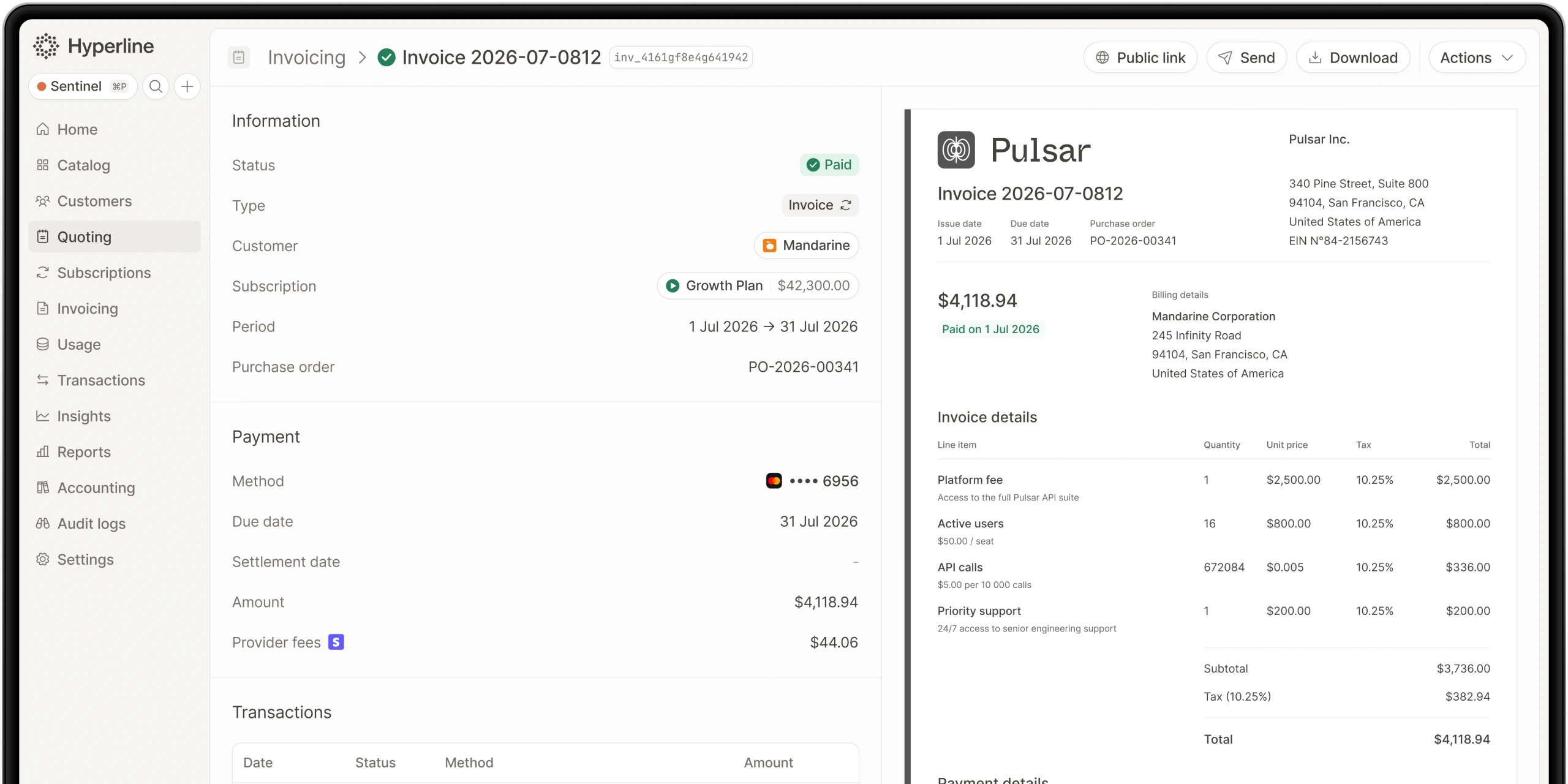
Hyperline is designed to support the full quote-to-cash process for B2B SaaS companies.
Hyperline integrates with HubSpot to connect sales quotes with pricing logic, contracts, and billing workflows.
With this separation of responsibilities, HubSpot manages customer relationships while Hyperline manages revenue operations across CPQ, billing, and pricing.
Where this fits in Hyperline
Frequently asked questions
As SaaS companies grow, billing needs become more complex. HubSpot CPQ has limits: no quote-to-invoice automation, little pricing flexibility, basic reporting, manual revenue recognition, and no advanced subscription support.
It depends on pricing complexity. Simple, flat subscription pricing can run acceptably on separate best-of-breed tools connected by integrations. Once pricing includes usage-based or hybrid components, or deal sizes require approval workflows and e-signature, the reconciliation cost of stitched-together tools tends to outweigh the flexibility of picking each piece independently.
LedgerUp is focused on the post-signature handoff: getting from a signed contract to a first invoice quickly. It does not include native CPQ, and its global e-invoicing and revenue recognition depth are limited compared to a full quote-to-cash platform, so teams that scale into hybrid pricing or larger, multi-country contracts typically re-evaluate.
No. Conga CPQ is built for configuration depth on multi-line, rule-heavy quotes, historically tied closely to Salesforce. Billing and usage metering live outside the product, so it typically functions as the quoting layer in front of a separate billing system rather than a complete quote-to-cash platform on its own.
Teams struggle with incomplete revenue reports, manual invoice creation, hard-to-manage contracts, weak accounting links, and too much work in spreadsheets.
Salesforce Revenue Cloud's strength is CPQ configurability inside the Salesforce ecosystem. Usage-based and consumption billing is a comparatively newer layer than its quoting core, and the platform generally requires meaningful Salesforce admin and implementation investment to configure well for hybrid pricing.
Usually not on its own. Oracle CPQ brings enterprise-grade catalog and pricing-rule capabilities for organizations operating at significant scale, but implementation timelines and total cost of ownership are heavy for a mid-market SaaS company evaluating it from scratch, unless the business is already committed to the Oracle CX or ERP ecosystem.
Each platform is scored against five consistent criteria: best fit (the buyer situation it actually suits), strongest part of quote-to-cash (where it genuinely leads), evidence reviewed (public pricing pages, product documentation, and G2 category listings), and watch-out (the limitation buyers run into first). Vendor claims that aren't verifiable against a public source are described qualitatively rather than repeated as fact.